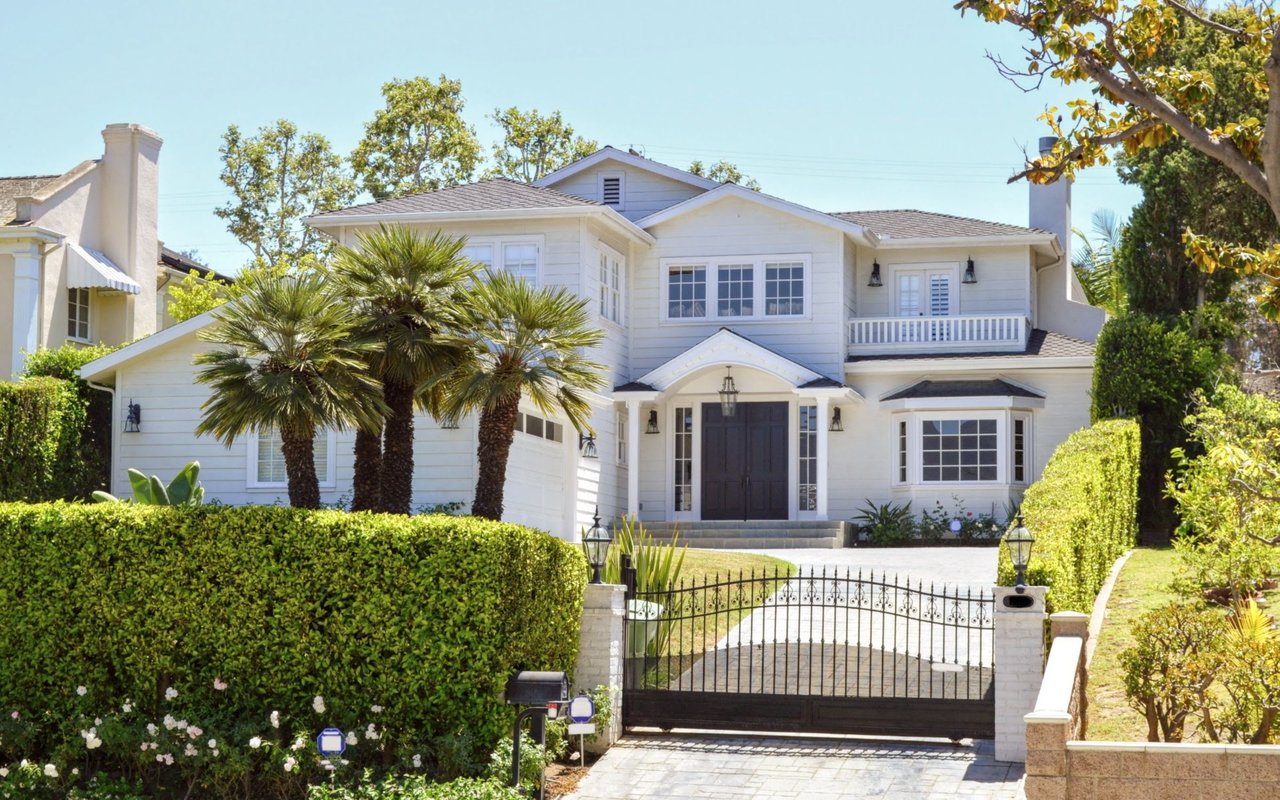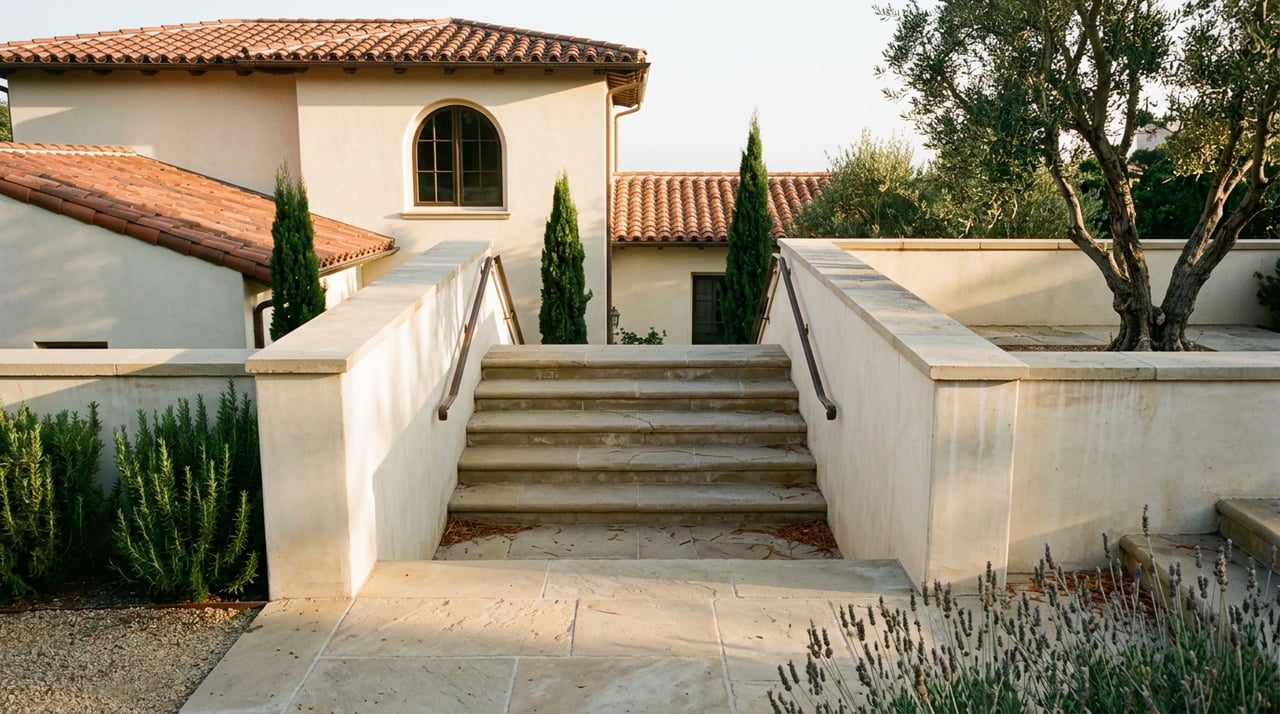
Two homes near PGA West list for the same price this month. Same floor plan, same lot size, same view of the Santa Rosa Mountains. One of them can legally take a week-long booking from a stranger next winter. The La Quinta Municipal Code does not let a new owner use the seller's permit after closing; whether a new owner can host depends on eligibility for one of La Quinta's limited permit pathways.
That difference has nothing to do with the house. It comes down to the city's rules for new permits, which make eligibility—not the seller's rental history—the deciding factor.
The ban nobody reversed
La Quinta stopped issuing new General and Primary short-term vacation rental permits on May 20, 2021. The rule sits in Section 3.25.055 of the La Quinta Municipal Code, and it has not softened since. In 2022, residents were asked to go further and phase out most short-term rentals entirely by the end of 2024. Measure A failed, narrowly, by about 51 percent to 49 percent. The city's response the following January was not to reopen the door the vote had left shut. It was to carve two new, narrower doors instead: a Homeshare permit for owners who live in the house every night a guest does, and a Large Lot pathway for parcels of 25,000 square feet or more, subject to a public hearing before the City Council.
Nothing about that framework loosened in 2026. If anything, it tightened. On April 7, 2026, the city adopted Ordinance No. 631, clarifying how the code applies to a home rented for 31 days and then sublet by that tenant to someone else for a week or two. The updated code now treats that arrangement as a short-term vacation rental in every sense, with every requirement of Chapter 3.25 attached to it. The city describes the clarification as "declaratory of existing law."
None of this means short-term rentals are illegal in La Quinta. About 1,215 homes held an active permit at the end of 2025. Access to new permits is limited to the pathways described below.
Three paths for a new owner
Here is the part that changes how a buyer should read a listing. An existing STVR permit belongs to the person who applied for it, not to the address. When a permitted home sells, the permit does not transfer to the new owner. The new owner inherits a property that, absent one of three narrow paths, can only be leased for stays of 31 consecutive days or longer.
The three paths are specific enough to name. A Homeshare permit works if you plan to be on site for the entire length of every guest's stay, which makes it a spare-bedroom arrangement more than a rental business. A Large Lot exemption is available if your parcel measures 25,000 square feet or larger, but it requires council approval at a public hearing, not a form you file and forget. And a short list of exempt areas still allows fresh General or Primary permits: the SilverRock Resort Specific Plan area, the Estates at Griffin Lake Specific Plan, and a small block near the La Quinta Resort tennis villas bounded by Avenida Obregon, Avenida Fernando, and Calle Mazatlan. The BNBCalc guide names four specific communities, La Quinta Desert Villas, Legacy Villas, Puerta Azul, and Signature at PGA West, as also carrying a reduced "General (mitigated)" fee tier tied to earlier development agreements, though that status is about cost, not eligibility.
Outside those addresses, a new permit may be available through Homeshare or the Large Lot pathway, subject to the requirements described above.
What the permit actually costs, if you can get one
For the homes that do qualify, the City of La Quinta posts the fee schedule. A Homeshare permit runs $315 a year for a home under five bedrooms, $577.50 for five or more. A General permit, the kind tied to a second home or investment property, costs $1,050 a year under five bedrooms and $1,312.50 for larger homes, with the same $1,050 rate applying to multi-unit lock-out configurations. Renewals must be filed before the permit lapses to avoid termination.
Then there is the tax, and this is where La Quinta departs from most vacation rental markets. The Airbnb La Quinta tax guidance says hosts remit a 10 percent transient occupancy tax plus a 1 percent Greater Palm Springs Tourism Business Improvement District assessment, and file monthly, even in months with zero bookings. Airbnb does not collect or remit this tax on the city's behalf. The obligation sits entirely with the owner, which means a permit holder who assumes the platform is handling it discovers otherwise at the worst possible time, during an audit rather than a booking confirmation.
Why La Quinta isn't the valley's baseline
A buyer cross-shopping the desert cities on price alone is comparing four completely different regulatory products that happen to look similar in a listing photo.
| City | New STR permits available | Minimum stay outside exceptions | Transient occupancy tax |
|---|---|---|---|
| La Quinta | No, except Homeshare, Large Lot, and named exempt zones | 31 consecutive days | 10% plus 1% TBID |
| Indian Wells | STR Profit Map: 29 consecutive nights, 7 nights during the BNP Paribas Open window | ||
| Rancho Mirage | HostReady: No, in any zone, for any reason | 28 consecutive days, with no exceptions |
Rancho Mirage sits at the far end. Its ban covers every zone, with no HOA-approval exception left standing. The 29-night minimum outside tournament season means Indian Wells is built for a different kind of guest than a weekend booking crowd. The Palm Desert Municipal Code says existing off-site permits in its Hillside Planned Residential district terminate permanently on December 31, 2026, with no renewal afterward.
For a buyer weighing La Quinta against its neighbors, the median sale price tells only part of the story. In August 2026, La Quinta homes sold at a median of $749,990. That figure describes what a typical buyer paid. It says nothing about which of those homes can generate rental income next season and which ones cannot, a distinction that depends entirely on an address, a permit history, and sometimes a parcel line, not on the price itself.
The diligence sequence before you write the offer
The order of these steps matters more than the steps themselves. Buyers who price a home based on assumed rental income before confirming eligibility are the ones who end up owning something other than what they thought they bought.
- Confirm the parcel's status against the city's exempt-area map before you fall in love with a floor plan.
- Ask the seller directly whether the STVR permit is active, and understand that even an active permit ends at closing unless you personally qualify for one of the same three paths.
- Request the HOA's written authorization on STVR use, since city permission and HOA permission are separate questions.
- Price the home on its actual eligible use, long-term lease or owner-occupied Homeshare, rather than on comparable rental income from a permitted neighbor down the street.
- If the parcel is 25,000 square feet or larger, budget time for a public hearing, not a same-week approval.
A few questions worth asking out loud
Does an active rental permit transfer to me when I buy the house? No. The permit is issued to the person named on the application. A new owner must apply in their own name, and outside an exempt area or a qualifying Homeshare or Large Lot situation, there is no application to file.
Can I turn a long-term rental into a short-term one later if my plans change? Only through the same three paths. There is no general conversion process for a home outside an exempt zone.
What if I only want to rent it out occasionally, to friends or for a few weeks a year? Any stay of 30 days or less counts as short-term under the code, regardless of how it is priced or who is booking it. Renting to family at a discount does not change how the ordinance treats the stay.
Is there any sign the city might reopen new permits in the future? Nothing in the record points that direction. The most recent change, Ordinance 631 in April 2026, closed a gap rather than opened one; it followed Measure A's narrow defeat and offers no evidence of a swing toward more rentals.
A vacation home in La Quinta can still make financial sense. The math just starts earlier than most buyers expect, at the exempt-area map and the seller's actual permit status, well before anyone talks about nightly rates. If you're weighing a purchase in La Quinta or comparing it against Indian Wells, Rancho Mirage, or Palm Desert for exactly this reason, Sherri Lopez can walk the specific parcel, the HOA documents, and the permit history with you before you write an offer, not after.
This article is general information, not legal, tax or financial advice. Consult a qualified professional about your situation.