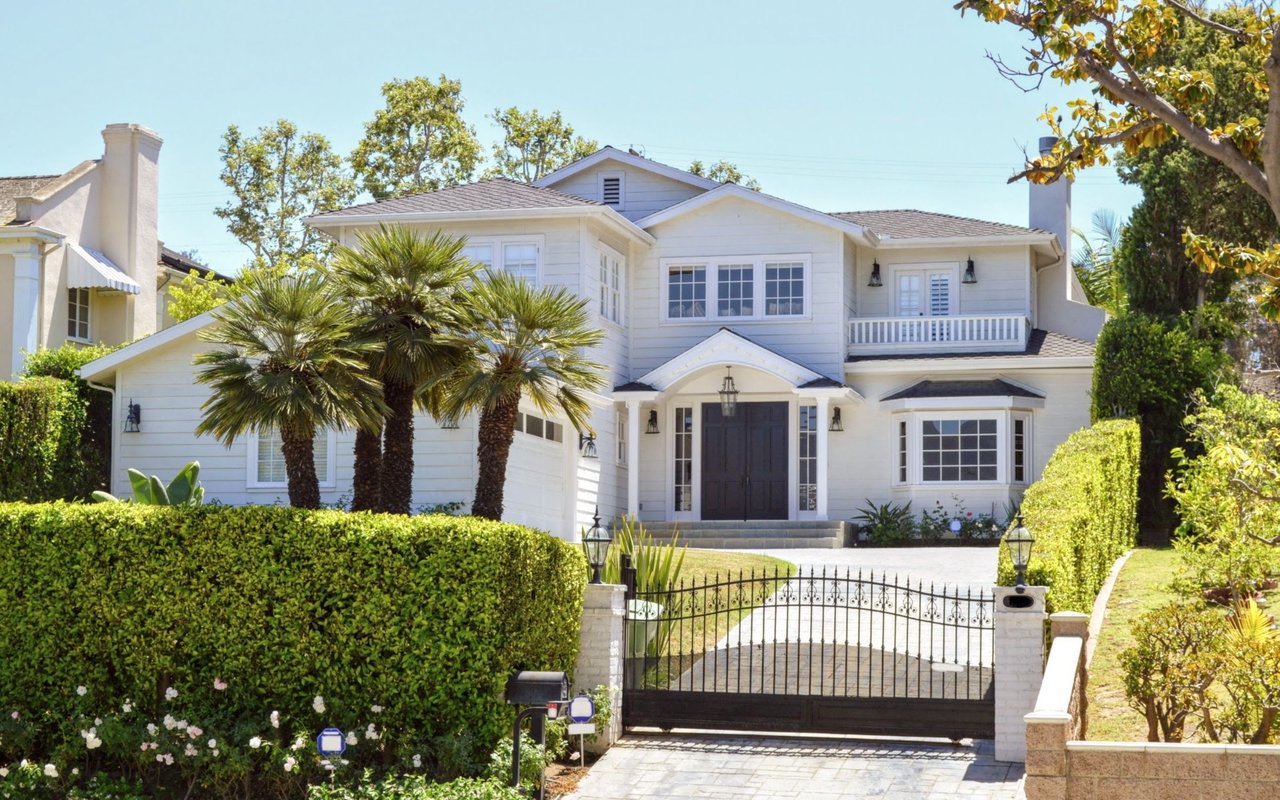
If your Rancho Cucamonga home sits in a Community Facilities District, the house you're actually competing against for a buyer's offer might not be three doors down. It might be a decade-older resale in Terra Vista with an identical floor plan and zero special tax on the bill. Most sellers price against their literal neighbors. Buyers, especially the ones running real numbers with a loan officer, price against everyone they can afford, and the CFD line changes who that includes.
That line runs straight through the city, and it explains more about how a listing actually performs than the median price does.
Two Rancho Cucamongas, One Median Price
Mello-Roos, the special tax attached to a Community Facilities District, is concentrated in Rancho Cucamonga's newer construction. It shows up most in the Etiwanda area north of Foothill Boulevard near Day Creek, in newer tracts along the Victoria Gardens corridor, and in pockets of the northeast RC corridor. The city has multiple active CFDs covering that ground, including districts formed for South Etiwanda infrastructure and for the Rancho Summit area.
Cross the line and the tax disappears for most parcels. West RC near Haven Avenue, South RC, the established Terra Vista neighborhood, and Alta Loma generally carry no CFD assessment at all. Those are older communities where roads, sewers, and parks were funded before CFDs became the standard tool for paying off new infrastructure.
That split means two homes can list at the same price and cost a buyer very different amounts every month. In Rancho Cucamonga, the base property tax rate runs roughly 1.1% to 1.25% of assessed value. Add a Mello-Roos assessment and the effective rate climbs to somewhere between 1.5% and 1.8%. None of that shows up in a Zestimate or a portal's median price line. It shows up on the tax bill, and it shows up in what a lender will actually approve.
| CFD tracts (Etiwanda north of Foothill, Day Creek, Victoria Gardens corridor) | Older tracts (Haven Avenue corridor, South RC, Terra Vista, Alta Loma) | |
|---|---|---|
| Typical annual Mello-Roos charge | $2,000 to $6,000, higher in some newer bond phases | Generally none |
| Effective property tax rate | 1.5% to 1.8% of purchase price | 1.1% to 1.25% |
| Added monthly carrying cost | $170 to $500 | None |
What a $4,000 Tax Line Does at the Underwriting Desk
A Mello-Roos payment is not cosmetic on a loan file. Lenders fold it into the debt-to-income calculation the same way they treat a mortgage payment, property taxes, or HOA dues, which means it competes for the same slice of a buyer's approved budget as the loan itself. That's a real constraint, not a footnote, and it's worth understanding how DTI actually works with special assessments before you set expectations on price.
Run the math on a typical CFD-heavy Rancho Cucamonga tract and a $3,000 to $4,000 annual assessment translates to roughly $250 to $330 a month. Fold that into an underwriting model at current rates and you're looking at something in the neighborhood of $50,000 to $60,000 in reduced purchasing power for the buyer standing in your listing, depending on their rate and loan program. That is not a rounding error. It is the difference between a buyer qualifying for your list price and a buyer qualifying for the resale in Terra Vista instead.
The competition for a CFD home isn't the identical floor plan next door. It's the mortgage-qualified buyer pool that a $50,000 swing in purchasing power just handed to a neighborhood without the tax.
None of this replaces a conversation with your own lender or title company about your specific parcel and balance, but knowing the shape of the math before that conversation changes how you approach pricing.
Why This Matters More in the Market Sitting in Front of You Right Now
Rancho Cucamonga is not moving at 2021 speed. Movoto's August 2026 snapshot puts the median list price at $839,000, with per-square-foot values down 5% from a year earlier and homes sitting a median 59 days before going under contract, about flat with August 2025. Redfin's rolling three-month window ending May 2026 shows a lower median sale price of $765,000, down 4.4% year over year, with days on market stretching to 41 from 33 the year before. The exact figure moves depending on which window and which methodology you use, but the direction across sources agrees: homes are taking longer, and inventory has room to breathe.
That slower pace is exactly why the CFD line matters more this year than it did during the frenzy of the low-rate years, when homes here routinely went under contract within days and multiple offers papered over the tax-bill math entirely. At 41 to 59 days, a buyer's loan officer has time to run the comparison, and the buyer has a Saturday free to tour a Day Creek listing in the morning and a Terra Vista resale in the afternoon. The slower the market gets, the more this math gets run, and the more it shows up in the offers you actually receive.
Before You List: The Payoff Math
- Call your CFD administrator directly, the number is printed on your secured property tax bill, and request a written payoff quote before you settle on a list price.
- Weigh that lump sum, typically $15,000 to $50,000 depending on your remaining bond balance and years left, against what a comparable CFD-free home is actually closing for right now.
- If the payoff amount is smaller than the pricing gap between your tract and the CFD-free alternative, paying it off before you list can widen your buyer pool. If it's larger, price around the tax instead of trying to erase it.
- Build your pricing conversation around total monthly cost, mortgage plus base tax plus the CFD divided by twelve, not around list price alone.
- Have your Notice of Special Tax paperwork ready before you go live, not after an offer comes in.
The Disclosure Clock Nobody Mentions at the Listing Appointment
Selling a CFD home in California comes with a specific deadline most sellers don't know about until it's already tight. The Mello-Roos Act requires a Notice of Special Tax to reach the buyer spelling out the maximum authorized tax, the current amount, and the conditions under which it can increase.
If the Notice of Special Tax arrives late, a buyer who learns about the tax late in escrow has grounds to push back, and the California Department of Real Estate states that, in some cases, a buyer has a right to cancel within three days of finally receiving the notice. Sellers who hand this paperwork over at the listing appointment, before it's needed rather than after a buyer asks for it, are the ones who don't lose a week to renegotiation two weeks before closing.
A Few Questions Sellers in CFD Neighborhoods Actually Ask
Does Mello-Roos ever go away?
Most CFDs are tied to a bond with a defined term, often 20 to 40 years, and the special tax ends once that bond is repaid. Some districts also carry a separate ongoing services tax for things like park maintenance, which doesn't sunset the same way. Check which type applies to your specific parcel rather than assuming a fixed end date.
Can I pay it off before I list?
Sometimes, and not every CFD allows prepayment. Where it's available, the amount depends on your remaining balance and years left on the district. Get the actual quote first and compare it to your real comps before deciding, since the payoff occasionally costs more than the pricing benefit it buys you.
Does every new Rancho Cucamonga neighborhood carry Mello-Roos?
Not automatically, but it's common across post-2000 development, particularly Etiwanda, Day Creek, and the Victoria Gardens corridor. CFD boundaries don't always line up neatly with neighborhood names, so verify the specific parcel rather than assuming based on the general area.
If you're trying to figure out what your CFD balance actually means for your asking price, or whether paying it off before listing makes sense for your specific parcel, that's the kind of math Sherri Lopez walks Rancho Cucamonga sellers through before a sign ever goes in the yard. Reach out for a clear read on your comps, your total carrying cost, and what a buyer's lender will actually approve.
This article is general information, not legal, tax or financial advice. Consult a qualified professional about your situation.